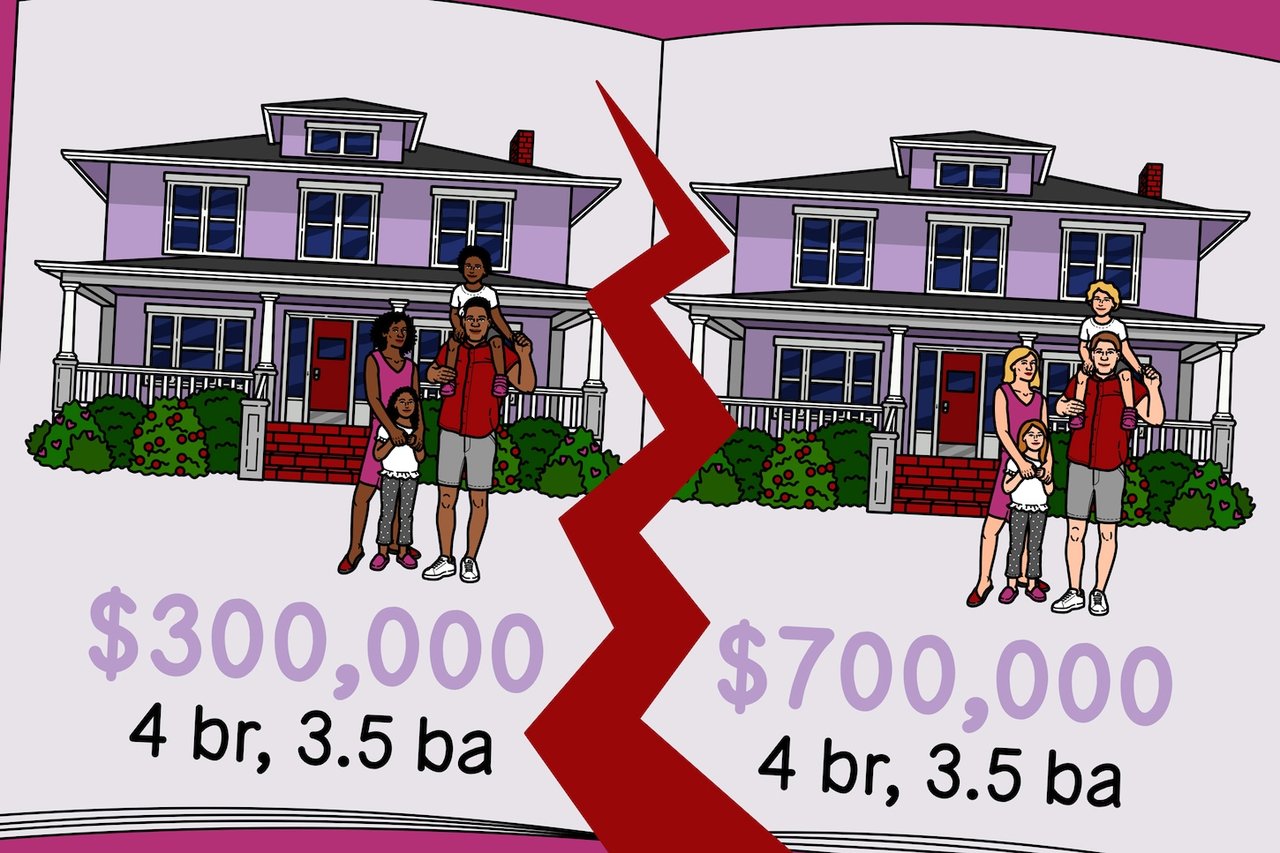
Black homeownership in America is a story of resilience, resistance, and rising above the odds. While today's real estate market offers more opportunities than in decades past, it's important to understand how historical challenges still impact access to homeownership today.
Early Exclusion from the American Dream
In the early 20th century, government policies like the GI Bill and FHA loans helped millions of white families buy homes and build generational wealth. But these same programs systematically excluded Black families. Neighborhoods were often “redlined”—labeled too risky for loans—simply because Black residents lived there.
Redlining and Generational Impact
Redlining didn’t just block mortgages. It denied communities investment, safety, and stability. Schools, public services, and business growth all suffered, creating lasting disparities in wealth and opportunity. While redlining was officially banned in 1968 with the Fair Housing Act, its effects are still felt today.
The Power of Representation
Despite the barriers, Black families have continued to invest, build, and reclaim their space in real estate. Today, Black real estate professionals play a key role in educating clients, advocating for fair access, and helping to close the homeownership gap.
As a Black-owned brokerage, Sylvester Residential is proud to continue this legacy. We believe knowledge is power—and by understanding our history, we can build a stronger, more inclusive future in real estate.
Want to learn more about equitable homeownership and how we can support your journey?
Contact Sylvester Residential today—where history meets advocacy.


